早期反射声
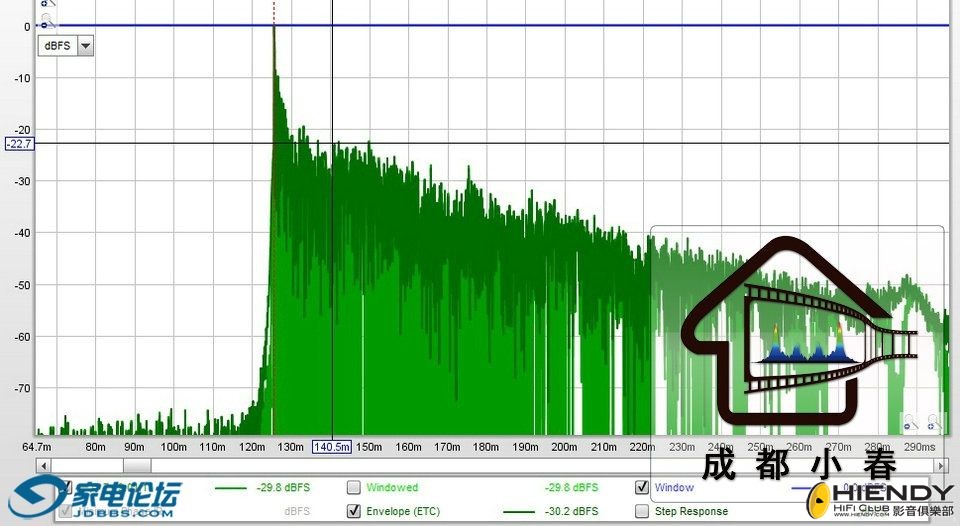
在比直达声晚15毫秒内,1-8KHZ的早期反射声至少衰减10DB。
8.3.3.1 Early reflections
which reach the listening area during a time
interval up to 15ms after the direct sound, should be attenuated in the range 1-8 kHz by at least 10 dB relative to the
direct sound。
软件实测值参考:125毫秒开始到140毫秒时衰减22.7DB;
ISO 2969-2015
4.测量方法
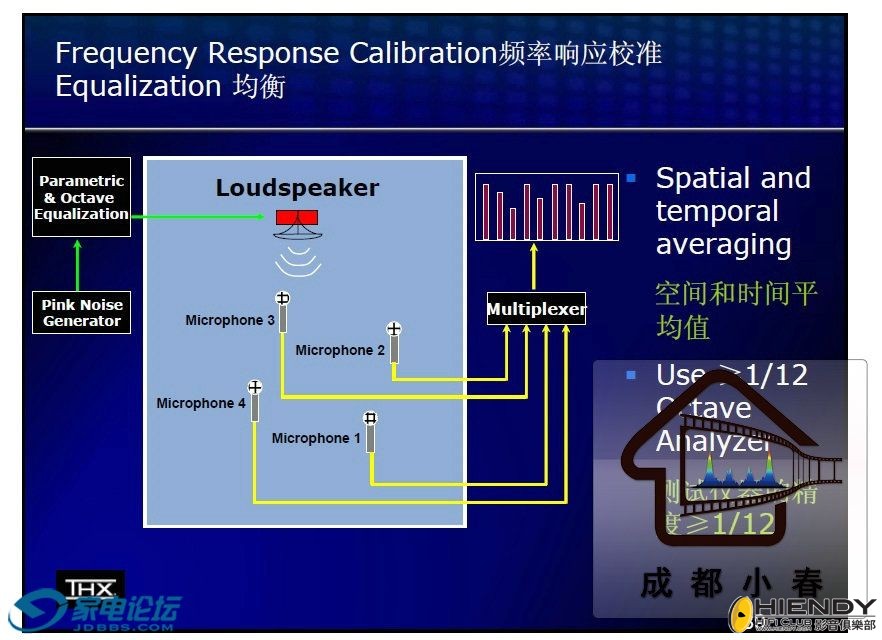
使用一组四个全向和校准的麦克风来测量电声响应连接到麦克风多路复用器开关(不是混音器),其输出连接到
音频1/3倍频程频段频谱分析仪。
4.Methods of Measurement
Measure the electroacoustic response with a set of
four omnidirectional and calibrated microphones
connected to a microphone
multiplexer switch (not a mixer), the output of which is connected to
an
audio-frequency 1/3-octave band spectrum analyser.
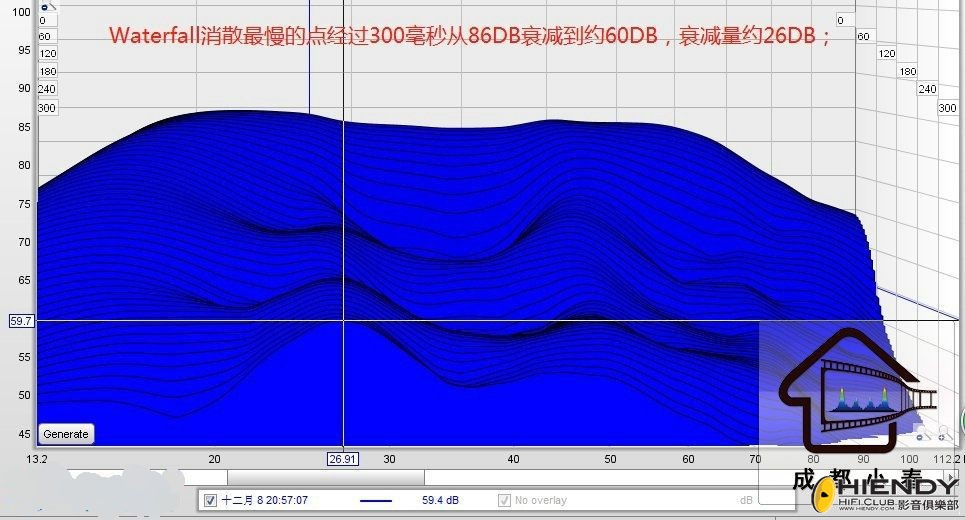
许多房间在低频效应通道内具有一个或多个主要共振频率带宽。 如果没有阻尼,这可能导致每次特征性的低频“振铃”
音轨包含低频信息。
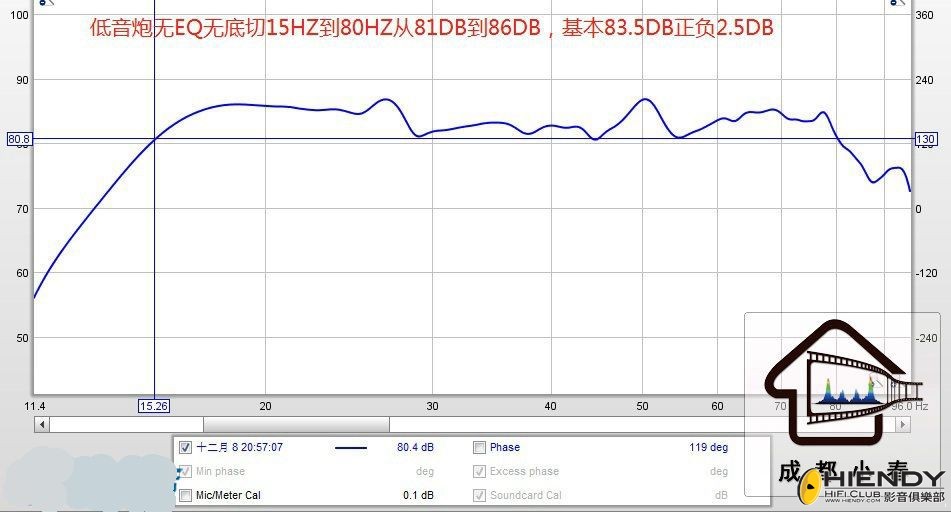
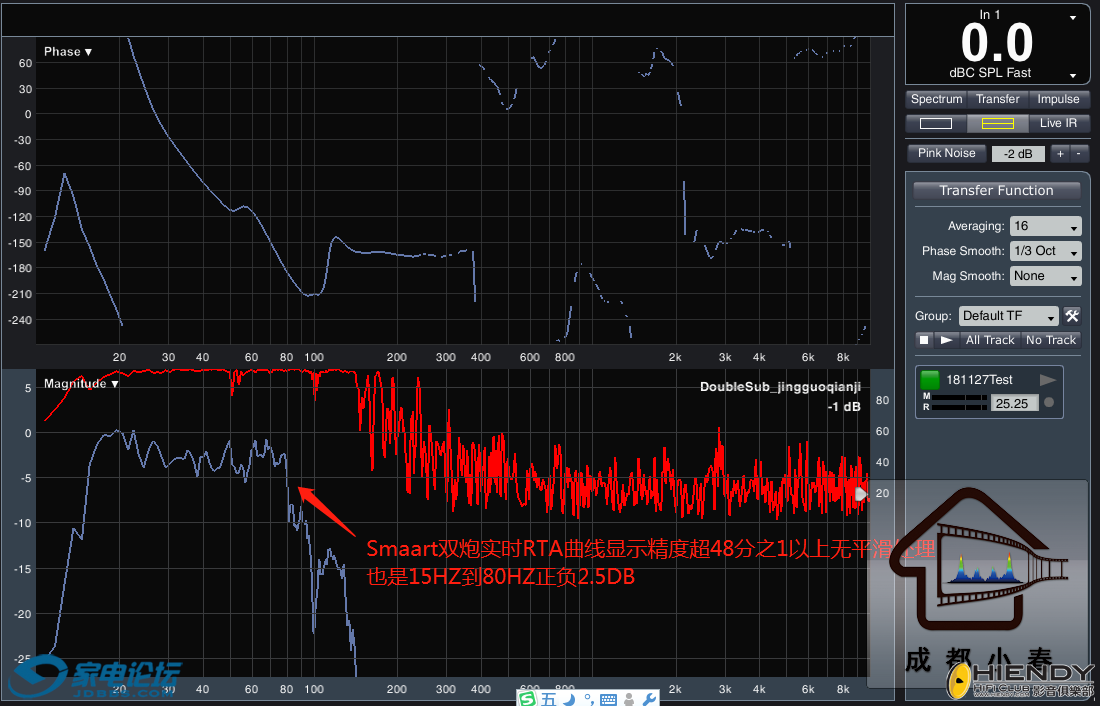
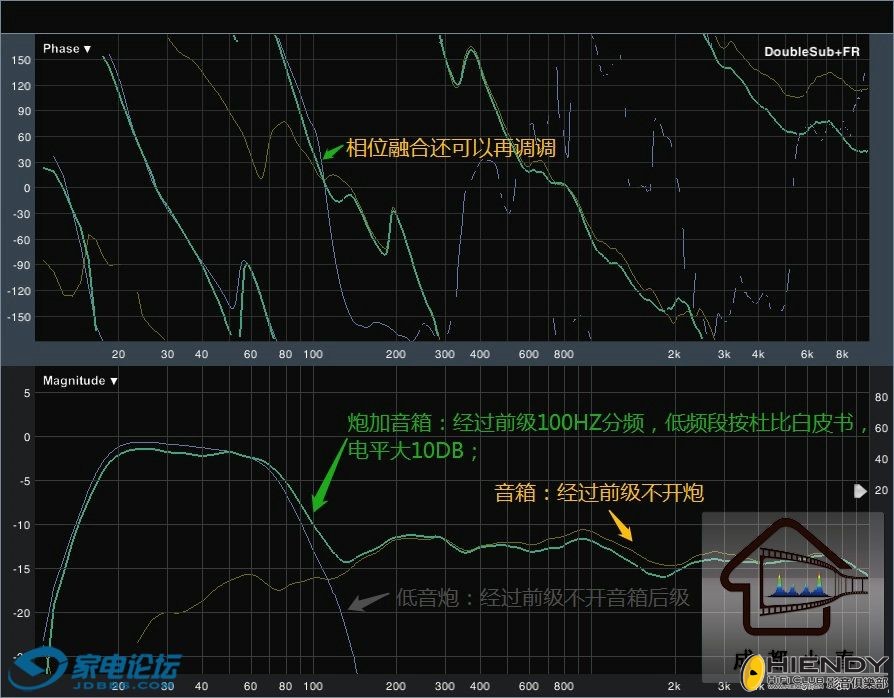
大多数影院处理器至少有一个用于低音炮带通的参量均衡器。 调整后,之间的反应25 Hz和120
Hz应平坦至±3 dB。
4.3 The
bandwidth of the low-frequency effects channel on a modern soundtrack extends
from 5 Hz
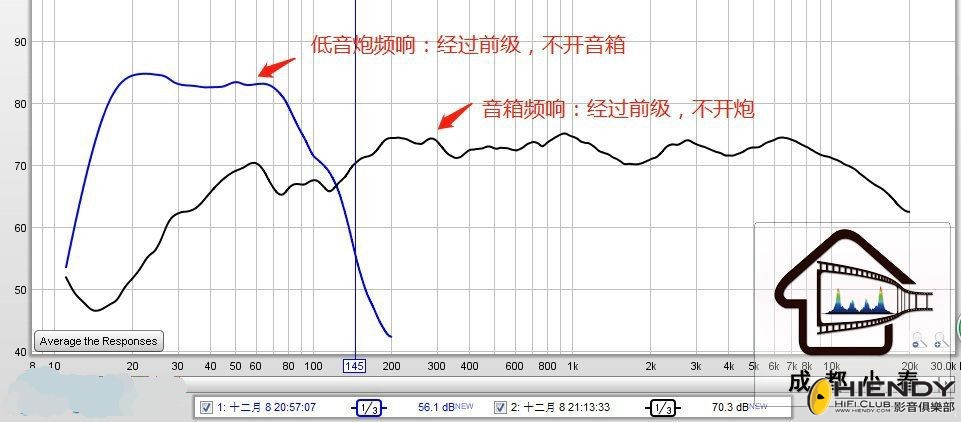
to 120 Hz. A linear sub-woofer acoustic response is desirable from
approximately 25 Hz to 120 Hz. The
120 Hz soundtrack cut-off is extremely steep, so a suitable sub-woofer need have little response above
125 Hz. For
information on subwoofer adjustment refer to ISO 22234:2005.
Many rooms have
one or more dominant resonant frequencies within the low-frequency effects
channel
bandwidth. If not damped this can lead to a characteristic
low-frequency“ringing” every time the
soundtrack contains low-frequency
information. Most cinema B-chain processors have at least one
parametric
equalizer for use within the sub-woofer bandpass. After adjustment, the response
between
25 Hz and 120 Hz shall be flat to within ±3 dB.
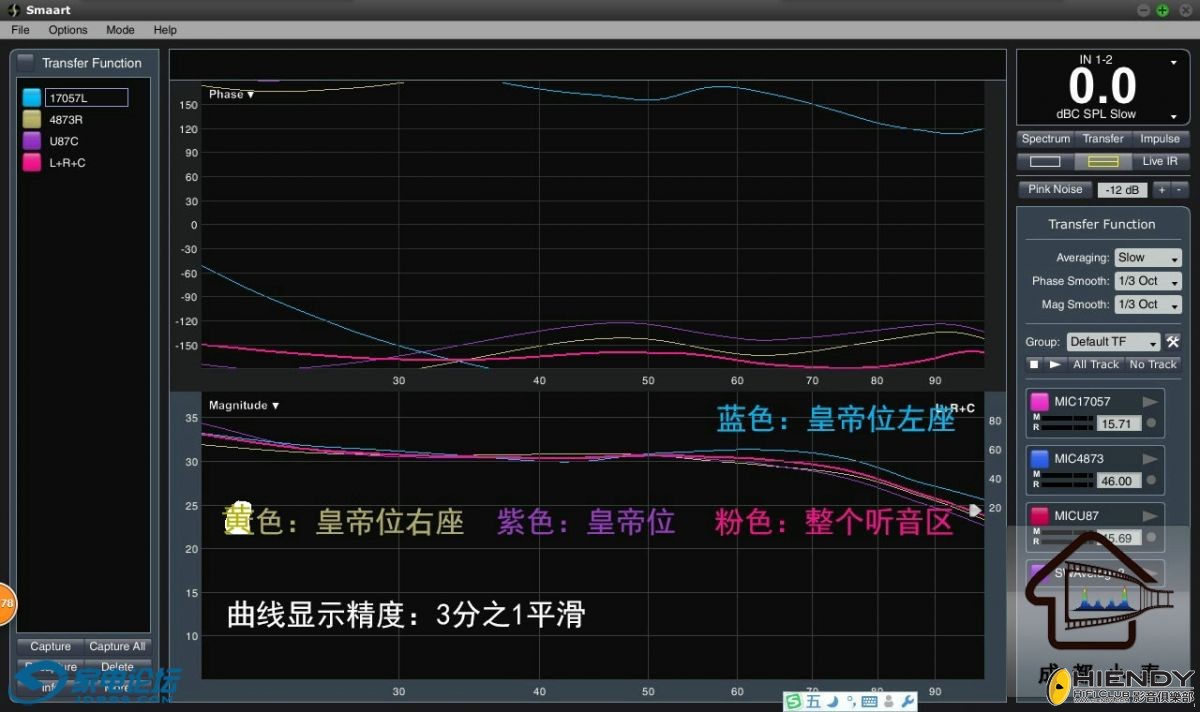
Frequency Response Calibration 频率响应校准 Spatial Average 空间平均
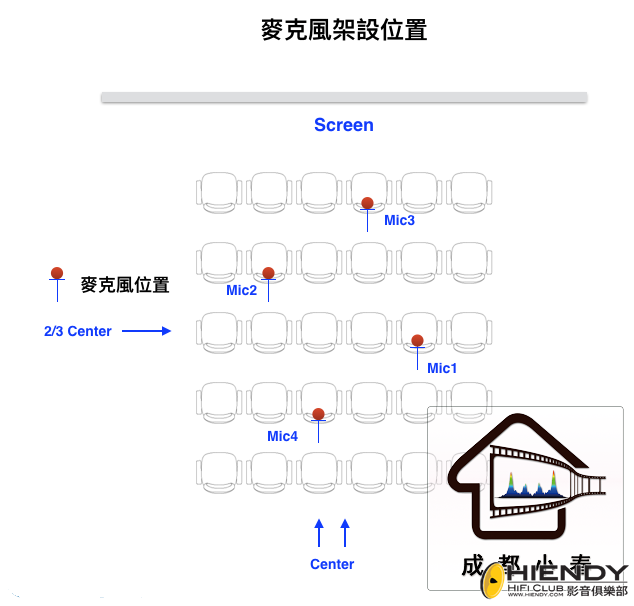
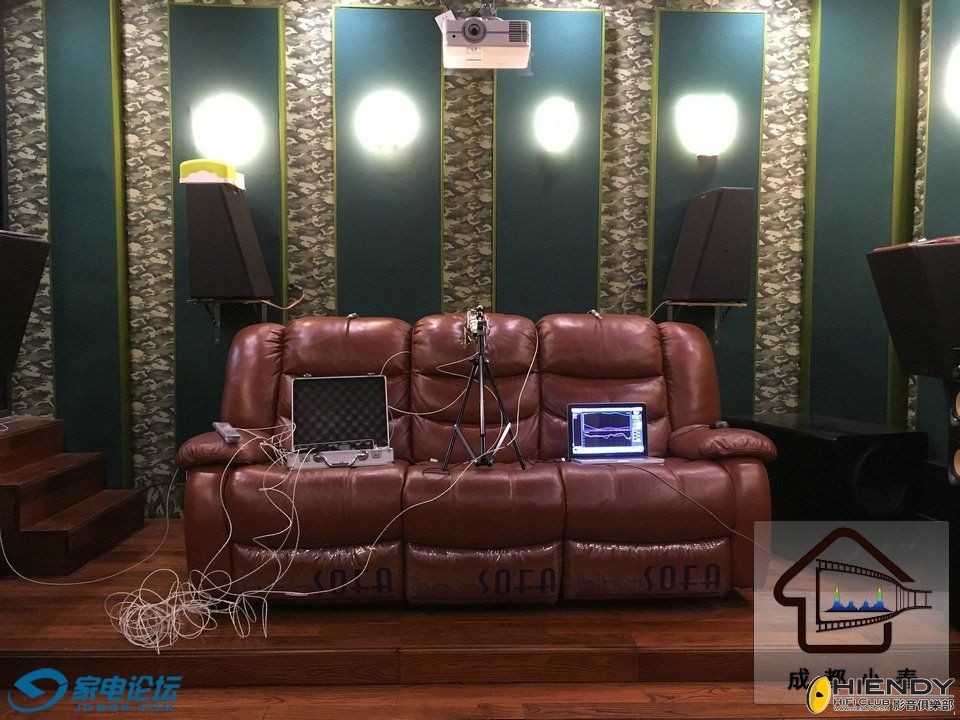
With Multiplexer set up 4 microphones around main seat locations 使用麦克风多路混合器在主听音区域设置4个麦克风
Set mic capsules at seated ear location 测试麦克风固定在入座后人耳的高度
Aim mics towards front speakers 将麦克风指向前置扬声器
Without multiplexer move mics to four locations and average results after determining unity gain 如果没有麦克风多路混合器,请在四个地点分别测试,然后取平均值




 IP卡
IP卡 狗仔卡
狗仔卡
 發表於 2020-3-6 20:06:13


 提升卡
提升卡 置頂卡
置頂卡 沉默卡
沉默卡 喧囂卡
喧囂卡 變色卡
變色卡 顯身卡
顯身卡